The Journey to Finding Authentic Traditional Fitted Furniture and Appreciating True Craftsmanship

Choosing traditional styled fitted furniture that truly fits your home can feel like navigating a maze. Many suppliers flood the market with soulless pieces that lack the warmth and character of genuine craftsmanship. This post explores how to find authentic traditional fitted furniture and why appreciating true joinery and craftsmanship matters.
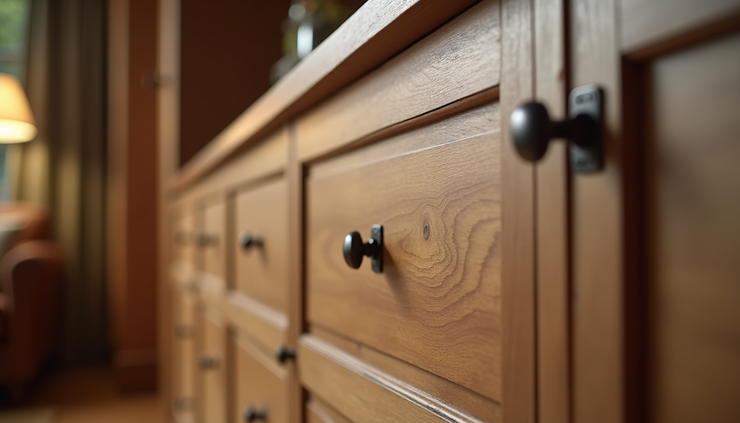
Understanding Traditional Fitted Furniture
Traditional fitted furniture refers to custom-built pieces designed to fit specific spaces in a home. Unlike mass-produced furniture, these pieces are tailored to the room's dimensions and style, often featuring classic design elements such as:
Solid wood construction
Hand-cut joints like dovetails or mortise and tenon
Decorative moldings and paneling
Timeless finishes such as natural stains or painted surfaces
This furniture style adds character and functionality, blending seamlessly with the architecture of older or period homes.
Why Many Suppliers Miss the Mark
The furniture market today is flooded with suppliers who prioritize speed and cost over quality. These companies often use:
Engineered wood or MDF instead of solid timber
Machine-made joints that lack strength and beauty
Standardized designs that ignore the uniqueness of each home
Such pieces may look acceptable at first glance but lack the soul and durability of true craftsmanship. They often fail to age well and can detract from the home's character.
Recognizing True Joinery and Craftsmanship
True craftsmanship shines through in the details. When searching for authentic traditional fitted furniture, look for these signs:
Joinery: Hand-cut dovetails, mortise and tenon joints, and dowels indicate skilled woodworking.
Material: Solid hardwoods like oak, walnut, or cherry provide strength and natural beauty.
Finish: Hand-applied finishes enhance the wood grain and protect the surface without hiding its character.
Customization: Furniture that fits perfectly into the space, considering architectural features and room flow.
Craftsman’s Signature: Some makers leave subtle marks or signatures, a sign of pride in their work.
The Benefits of Choosing Authentic Traditional Fitted Furniture
Investing in well-crafted traditional fitted furniture offers several advantages:
Longevity: Solid wood and quality joinery ensure the furniture lasts for generations.
Aesthetic harmony: Custom pieces complement the home's style and layout.
Increased home value: Authentic craftsmanship can enhance the appeal and worth of your property.
Sustainability: Quality furniture reduces waste by avoiding frequent replacements.
Emotional connection: Owning handcrafted furniture creates a sense of pride and attachment.
How to Find Genuine Traditional Fitted Furniture Suppliers
Finding the right supplier requires research and patience. Here are practical steps:
Ask for references and portfolios
Request examples of previous work, preferably with photos of completed projects in similar homes.
Visit workshops if possible
Seeing the workshop and meeting the craftsmen provides insight into their skills and materials.
Check materials and techniques
Confirm the use of solid wood and traditional joinery methods.
Request detailed quotes
Transparent pricing that reflects craftsmanship rather than just materials is a good sign.
Read reviews and testimonials
Look for feedback from customers who value quality and authenticity.
Avoid mass-market retailers
These often prioritize volume over craftsmanship.
Examples of Traditional Joinery to Look For
Understanding joinery helps you identify quality. Common traditional joints include:
Dovetail joints: Interlocking wedge-shaped cuts, often used in drawers.
Mortise and tenon: A peg (tenon) fits into a hole (mortise), common in frames.
Tongue and groove: Boards fit together edge-to-edge, used in paneling.
Dowel joints: Wooden pins join two pieces, often hidden but strong.
Each joint type requires skill and precision, contributing to the furniture’s strength and beauty.
Caring for Traditional Fitted Furniture
Proper care extends the life of your furniture:
Dust regularly with a soft cloth.
Avoid harsh chemicals; use wood-friendly cleaners.
Maintain humidity levels to prevent wood warping.
Reapply finishes or waxes as recommended by the maker.
Address scratches or dents promptly with professional help.
The Emotional Value of Handcrafted Furniture
Beyond function and beauty, handcrafted furniture carries stories. Each piece reflects the maker’s skill and the home’s personality. This connection transforms furniture from mere objects into cherished heirlooms.
Final Thoughts on Choosing Traditional Fitted Furniture
Finding authentic traditional fitted furniture requires effort but rewards you with pieces that enrich your home. Avoid soulless suppliers by focusing on craftsmanship, materials, and customization. Your home deserves furniture that fits perfectly and tells a story through its joinery and finish.


Comments